Customer Experience
The Future of Healthcare Wayfinding—What's Next and How to Evaluate Your Options
Danny Roman
November 28, 2025
In this series, we've explored why traditional digital wayfinding systems have struggled to achieve meaningful adoption in healthcare settings and how video-based navigation addresses those fundamental limitations. Now, let's look forward: where is hospital wayfinding technology heading, and how should healthcare leaders evaluate whether their current approach is truly serving patient needs?
The Evolution of Healthcare Navigation
The progression of wayfinding technology in healthcare reflects a maturing understanding of how digital tools should integrate into patient experiences:
First Generation: Static signage and verbal directions from staff
Universal but limited in effectiveness for complex facilities
Staff time-intensive
Challenging for visitors with language or cognitive barriers
Second Generation: App-based blue dot navigation with beacon infrastructure
Technologically sophisticated but adoption-limited
High maintenance burden
Cognitive friction from abstract mapping
Third Generation: App-less video navigation using visual positioning
High adoption through frictionless access
Intuitive visual guidance aligned with human cognition
Hardware-free implementation reducing complexity and cost
Emerging: Integrated, personalized navigation as part of the broader patient journey
Dynamic routing based on real-time facility conditions
Customization for individual mobility needs and preferences
Seamless integration with scheduling and communication systems
The Future Is Intelligent and Adaptive
The trajectory of wayfinding technology points toward even more seamless integration with the broader patient experience. Tomorrow's navigation systems will be characterized by several key capabilities:
Dynamic Route Adaptation
Modern facilities are living environments where conditions constantly change. Future wayfinding systems will automatically adjust routes based on real-time information:
Facility updates: Automatically route patients around closed corridors during maintenance or renovations
Accessibility changes: Direct wheelchair users through temporarily accessible paths when regular routes are blocked
Event management: Adjust routing during conferences, emergencies, or high-traffic periods
Wait time optimization: Guide patients to less crowded entrances or elevator banks
This dynamic capability transforms navigation from a static map into an intelligent system that responds to actual facility conditions moment by moment.
Personalized Wayfinding
One-size-fits-all navigation doesn't serve diverse patient populations equally. Emerging systems are beginning to offer personalization:
Mobility considerations: Routes specifically designed for wheelchair users, people using walkers, or those who need to avoid stairs
Walking pace adjustment: Time estimates that account for how quickly someone can comfortably move, ensuring patients with limited mobility receive realistic arrival times
Language preferences: Visual guidance combined with text and audio in the patient's preferred language
Cognitive support levels: More detailed guidance with additional landmarks for users who need extra confirmation they're on the right path
Seamless System Integration
The most powerful applications of wayfinding technology emerge when navigation integrates with other healthcare systems:
Electronic Medical Records (EMR) integration: Appointment scheduling systems can automatically generate personalized navigation links that account for patient-specific mobility limitations documented in their medical record. When a patient books an appointment through Epic MyChart or receives a confirmation from the scheduling system, the navigation guidance is already embedded—no separate lookup required.
Multi-channel pre-arrival communication: Navigation guidance can be embedded in every touchpoint of the appointment journey:
Booking confirmation emails: Immediate access to parking and route information
72-hour reminder messages: SMS or email links refreshing the navigation details
24-hour appointment reminders: Direct navigation access as the appointment approaches
Day-of-arrival notifications: "Your appointment is in 2 hours" texts with navigation links
Patient portal integration: MyChart appointments showing directions alongside pre-visit instructions
Digital check-in workflows: Navigation prompts during mobile check-in processes
This multi-touchpoint approach significantly reduces no-show rates and late arrivals. Patients who receive navigation guidance days before their appointment feel less anxiety about logistics and are more likely to attend. Those who have the link readily available on the day of their visit arrive on time, maintaining schedule integrity.
Operational systems: Building management platforms could feed real-time information about elevator outages, closed corridors, or facility changes directly into navigation routing.
Analytics and optimization: Anonymous wayfinding data could help facility managers identify confusing areas, optimize department placement, and improve signage in high-traffic zones.
These integrations transform navigation from a standalone tool into a connected component of the overall patient experience infrastructure, with measurable impact on appointment adherence and operational efficiency.
Evaluating Your Current Wayfinding Approach
For healthcare leaders considering their facilities' navigation strategy, several questions can help assess whether current approaches truly meet patient needs:
Adoption and Usage
The most important metric for any wayfinding system is whether people actually use it:
What percentage of patients and visitors use your digital wayfinding solution?
Do staff still spend significant time giving directions?
How many calls do departments receive from lost visitors?
Do patients frequently arrive late or miss appointments due to navigation difficulties?
If your digital wayfinding adoption rate is below 50%, the system isn't solving the problem regardless of its technical capabilities. Low adoption signals that the solution creates too much friction between patients and the help they need.
Patient Experience Impact
Navigation should reduce stress, not add to it:
Do patient satisfaction surveys mention navigation concerns?
What do online reviews say about finding departments in your facility?
Have HCAHPS scores improved since implementing wayfinding solutions?
Can elderly patients, international visitors, and people with cognitive differences successfully navigate your facility?
The goal isn't just to have a wayfinding system—it's to demonstrably improve the patient experience through that system.
Operational Efficiency
Effective wayfinding should reduce operational burden:
Has staff time spent giving directions decreased?
Have no-show rates declined since implementing digital wayfinding?
Are appointment schedules running more smoothly with fewer late arrivals?
Has the facility seen a return on wayfinding technology investment?
If operational metrics haven't improved, the wayfinding solution isn't delivering business value despite its presence.
Total Cost of Ownership
Understanding the full cost picture helps make informed decisions:
For hardware-dependent systems, consider:
Initial device purchase and professional installation costs
Ongoing maintenance contracts and service calls
Battery replacement labor and materials
Recalibration expenses after facility changes
System upgrades requiring new hardware
For hardware-free systems, evaluate:
Initial implementation and digital mapping costs
Software licensing or subscription fees
Update processes for facility changes
Integration costs with existing systems
Staff training requirements
A system with lower upfront costs may prove more expensive over a five-year period if maintenance and operational overhead are significant.
Technical and Operational Fit
Practical implementation considerations matter as much as features:
Does the solution integrate with your existing appointment scheduling and communication systems?
Can it accommodate your facility's specific layout challenges (multiple buildings, skyways, complex floor plans)?
How quickly can routes be updated when facility layouts change?
What level of IT support does the system require?
Does it work reliably in your facility's physical environment?
The best solution on paper may not be the best solution for your specific facility and operational constraints.
Making the Case for Change
If evaluation suggests your current wayfinding approach isn't meeting patient needs, building support for change requires connecting navigation to strategic priorities. The evidence base for modern video navigation is growing, with major healthcare facilities validating the technology's impact.
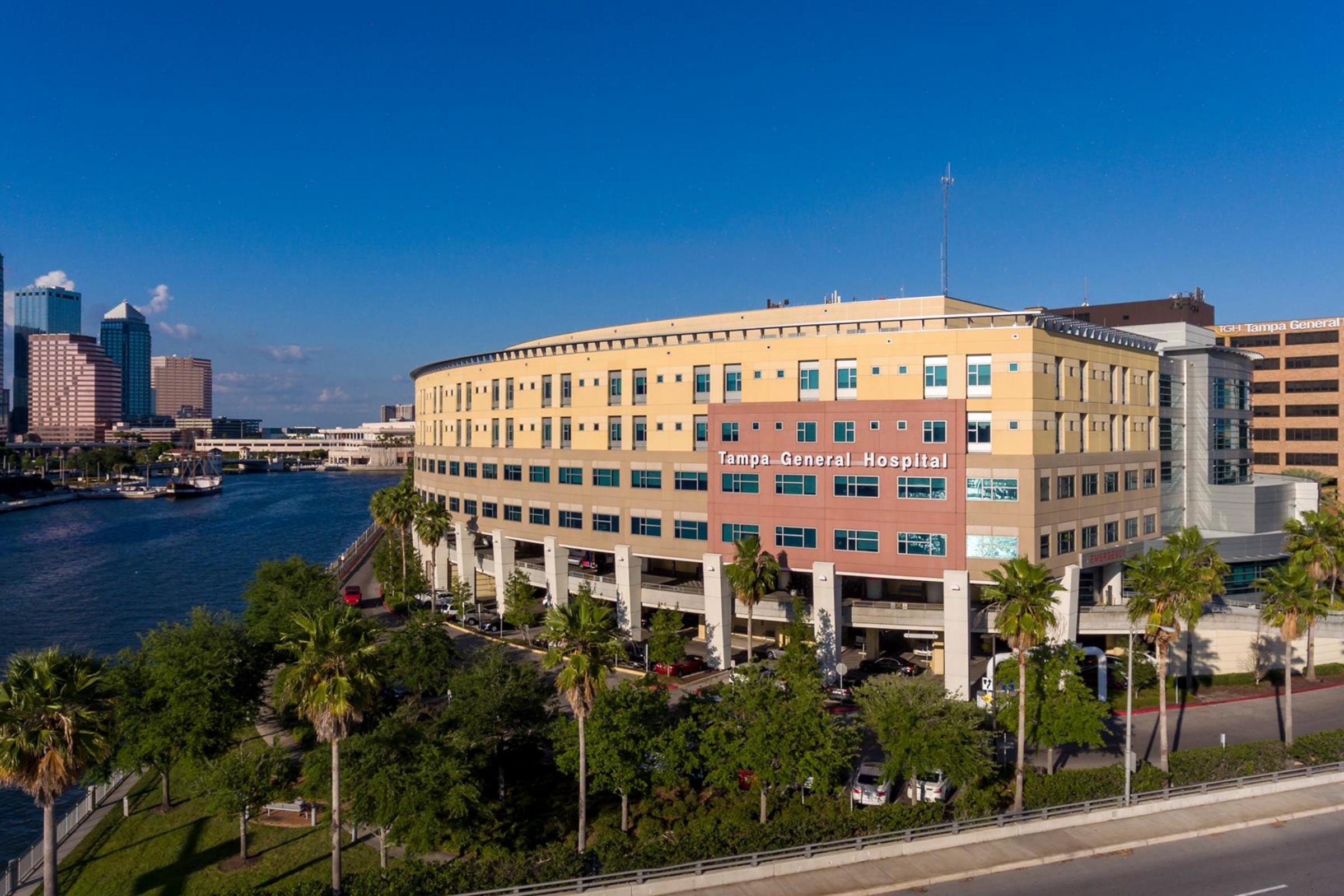
Tampa General Hospital's experience illustrates this evolution. After a six-month pilot program on their Davis Island campus demonstrated significant improvements in patient experience and operational efficiency, the hospital committed to a multi-year contract to expand video wayfinding across their system. This decision reflects the measurable value that modern navigation technology can deliver when implementation is done thoughtfully.
The momentum is building across the healthcare sector. Moffitt Cancer Center and other leading facilities are launching pilot programs in early 2026, recognizing that video-based wayfinding addresses limitations that have held back earlier digital navigation attempts.
The Patient Experience Business Case
Frame wayfinding as a patient experience initiative with measurable impact:
HCAHPS improvement: Even modest gains in patient satisfaction scores affect reimbursement under value-based payment models
No-show reduction: Calculate the financial impact of recovering even 10-20 missed appointments per month
Competitive positioning: Patient experience increasingly drives healthcare consumer decisions in competitive markets
The Operational Efficiency Argument
Quantify the hidden costs of poor wayfinding:
Staff time savings: Calculate the dollar value of nurse and staff time currently spent giving directions
Schedule optimization: Estimate the revenue impact of smoother appointment workflows and better resource utilization
Call center efficiency: Track the reduction in misdirected calls from lost visitors
The Strategic Innovation Perspective
Position modern wayfinding as aligned with digital transformation:
Platform for future capabilities: Hardware-free, software-based systems can evolve with new features without infrastructure replacement
Integration opportunities: Modern APIs enable connections with EMR, scheduling, and communication systems
Brand differentiation: Being known for accessibility and patient-centered innovation has marketing value
A Practical Path Forward
Healthcare leaders ready to improve their facilities' wayfinding approach should consider a phased evaluation process:
Phase 1: Honest Assessment
Walk through your facility as a first-time visitor would. Park where patients park. Try to find a department you've never visited. Notice where you feel uncertain or confused. Ask frontline staff about the most common wayfinding questions they receive.
Phase 2: Stakeholder Input
Gather perspectives from:
Patient experience directors on satisfaction survey themes
Operations leaders on schedule efficiency and no-show rates
IT teams on current system maintenance burden
Frontline staff on time spent giving directions
Actual patients and visitors about their navigation experiences
Phase 3: Requirements Definition
Based on assessment and input, define what success looks like:
Minimum acceptable adoption rate (e.g., 60% of patients)
Target HCAHPS score improvements
Staff time savings goals
Total cost of ownership budget
Technical integration requirements
Phase 4: Solution Evaluation
When evaluating modern wayfinding solutions, prioritize:
Frictionless access: Solutions that don't require app downloads will achieve higher adoption
Intuitive guidance: Visual, landmark-based navigation aligns with human cognition
Low operational burden: Hardware-free implementations reduce complexity and ongoing costs
Integration capability: APIs and webhooks enable connections with existing systems
Proven results: Case studies and references from similar healthcare facilities
The Core Principle: Technology Should Serve Humans
Throughout this series, we've returned to a fundamental insight: the best technology feels invisible to the people who use it. This principle separates successful digital innovations from well-intentioned but under-adopted tools.
Video-based, app-less navigation succeeds because it meets users where they already are. People carry smartphones and use web browsers. They understand videos and recognize landmarks. They respond to links in text messages and emails. By working within these existing patterns rather than asking users to adopt new applications and interfaces, modern wayfinding achieves the high adoption rates that earlier solutions could only imagine.
For healthcare organizations, the promise of digital wayfinding is finally becoming reality—not through more complex technology, but through technology that better understands and serves human needs. Patients like Maria and Sarah arrive calm and on time. Staff members focus on care rather than giving directions. Facilities differentiate themselves through genuinely better experiences.
This isn't primarily a technological statement. It's a statement about human dignity, about respect for people's time and emotional state during difficult moments, and about healthcare's fundamental commitment to making care as accessible as possible.
The future of hospital wayfinding is visual, app-less, and increasingly intelligent. But most importantly, it's human-centered—technology in its proper place, invisible and helpful, always in service of better patient experiences. That future is available now for healthcare leaders ready to move beyond blue dots to solutions that truly serve the people who walk through their doors every day.
In this series, we've explored why traditional digital wayfinding systems have struggled to achieve meaningful adoption in healthcare settings and how video-based navigation addresses those fundamental limitations. Now, let's look forward: where is hospital wayfinding technology heading, and how should healthcare leaders evaluate whether their current approach is truly serving patient needs?
The Evolution of Healthcare Navigation
The progression of wayfinding technology in healthcare reflects a maturing understanding of how digital tools should integrate into patient experiences:
First Generation: Static signage and verbal directions from staff
Universal but limited in effectiveness for complex facilities
Staff time-intensive
Challenging for visitors with language or cognitive barriers
Second Generation: App-based blue dot navigation with beacon infrastructure
Technologically sophisticated but adoption-limited
High maintenance burden
Cognitive friction from abstract mapping
Third Generation: App-less video navigation using visual positioning
High adoption through frictionless access
Intuitive visual guidance aligned with human cognition
Hardware-free implementation reducing complexity and cost
Emerging: Integrated, personalized navigation as part of the broader patient journey
Dynamic routing based on real-time facility conditions
Customization for individual mobility needs and preferences
Seamless integration with scheduling and communication systems
The Future Is Intelligent and Adaptive
The trajectory of wayfinding technology points toward even more seamless integration with the broader patient experience. Tomorrow's navigation systems will be characterized by several key capabilities:
Dynamic Route Adaptation
Modern facilities are living environments where conditions constantly change. Future wayfinding systems will automatically adjust routes based on real-time information:
Facility updates: Automatically route patients around closed corridors during maintenance or renovations
Accessibility changes: Direct wheelchair users through temporarily accessible paths when regular routes are blocked
Event management: Adjust routing during conferences, emergencies, or high-traffic periods
Wait time optimization: Guide patients to less crowded entrances or elevator banks
This dynamic capability transforms navigation from a static map into an intelligent system that responds to actual facility conditions moment by moment.
Personalized Wayfinding
One-size-fits-all navigation doesn't serve diverse patient populations equally. Emerging systems are beginning to offer personalization:
Mobility considerations: Routes specifically designed for wheelchair users, people using walkers, or those who need to avoid stairs
Walking pace adjustment: Time estimates that account for how quickly someone can comfortably move, ensuring patients with limited mobility receive realistic arrival times
Language preferences: Visual guidance combined with text and audio in the patient's preferred language
Cognitive support levels: More detailed guidance with additional landmarks for users who need extra confirmation they're on the right path
Seamless System Integration
The most powerful applications of wayfinding technology emerge when navigation integrates with other healthcare systems:
Electronic Medical Records (EMR) integration: Appointment scheduling systems can automatically generate personalized navigation links that account for patient-specific mobility limitations documented in their medical record. When a patient books an appointment through Epic MyChart or receives a confirmation from the scheduling system, the navigation guidance is already embedded—no separate lookup required.
Multi-channel pre-arrival communication: Navigation guidance can be embedded in every touchpoint of the appointment journey:
Booking confirmation emails: Immediate access to parking and route information
72-hour reminder messages: SMS or email links refreshing the navigation details
24-hour appointment reminders: Direct navigation access as the appointment approaches
Day-of-arrival notifications: "Your appointment is in 2 hours" texts with navigation links
Patient portal integration: MyChart appointments showing directions alongside pre-visit instructions
Digital check-in workflows: Navigation prompts during mobile check-in processes
This multi-touchpoint approach significantly reduces no-show rates and late arrivals. Patients who receive navigation guidance days before their appointment feel less anxiety about logistics and are more likely to attend. Those who have the link readily available on the day of their visit arrive on time, maintaining schedule integrity.
Operational systems: Building management platforms could feed real-time information about elevator outages, closed corridors, or facility changes directly into navigation routing.
Analytics and optimization: Anonymous wayfinding data could help facility managers identify confusing areas, optimize department placement, and improve signage in high-traffic zones.
These integrations transform navigation from a standalone tool into a connected component of the overall patient experience infrastructure, with measurable impact on appointment adherence and operational efficiency.
Evaluating Your Current Wayfinding Approach
For healthcare leaders considering their facilities' navigation strategy, several questions can help assess whether current approaches truly meet patient needs:
Adoption and Usage
The most important metric for any wayfinding system is whether people actually use it:
What percentage of patients and visitors use your digital wayfinding solution?
Do staff still spend significant time giving directions?
How many calls do departments receive from lost visitors?
Do patients frequently arrive late or miss appointments due to navigation difficulties?
If your digital wayfinding adoption rate is below 50%, the system isn't solving the problem regardless of its technical capabilities. Low adoption signals that the solution creates too much friction between patients and the help they need.
Patient Experience Impact
Navigation should reduce stress, not add to it:
Do patient satisfaction surveys mention navigation concerns?
What do online reviews say about finding departments in your facility?
Have HCAHPS scores improved since implementing wayfinding solutions?
Can elderly patients, international visitors, and people with cognitive differences successfully navigate your facility?
The goal isn't just to have a wayfinding system—it's to demonstrably improve the patient experience through that system.
Operational Efficiency
Effective wayfinding should reduce operational burden:
Has staff time spent giving directions decreased?
Have no-show rates declined since implementing digital wayfinding?
Are appointment schedules running more smoothly with fewer late arrivals?
Has the facility seen a return on wayfinding technology investment?
If operational metrics haven't improved, the wayfinding solution isn't delivering business value despite its presence.
Total Cost of Ownership
Understanding the full cost picture helps make informed decisions:
For hardware-dependent systems, consider:
Initial device purchase and professional installation costs
Ongoing maintenance contracts and service calls
Battery replacement labor and materials
Recalibration expenses after facility changes
System upgrades requiring new hardware
For hardware-free systems, evaluate:
Initial implementation and digital mapping costs
Software licensing or subscription fees
Update processes for facility changes
Integration costs with existing systems
Staff training requirements
A system with lower upfront costs may prove more expensive over a five-year period if maintenance and operational overhead are significant.
Technical and Operational Fit
Practical implementation considerations matter as much as features:
Does the solution integrate with your existing appointment scheduling and communication systems?
Can it accommodate your facility's specific layout challenges (multiple buildings, skyways, complex floor plans)?
How quickly can routes be updated when facility layouts change?
What level of IT support does the system require?
Does it work reliably in your facility's physical environment?
The best solution on paper may not be the best solution for your specific facility and operational constraints.
Making the Case for Change
If evaluation suggests your current wayfinding approach isn't meeting patient needs, building support for change requires connecting navigation to strategic priorities. The evidence base for modern video navigation is growing, with major healthcare facilities validating the technology's impact.
Tampa General Hospital's experience illustrates this evolution. After a six-month pilot program on their Davis Island campus demonstrated significant improvements in patient experience and operational efficiency, the hospital committed to a multi-year contract to expand video wayfinding across their system. This decision reflects the measurable value that modern navigation technology can deliver when implementation is done thoughtfully.
The momentum is building across the healthcare sector. Moffitt Cancer Center and other leading facilities are launching pilot programs in early 2026, recognizing that video-based wayfinding addresses limitations that have held back earlier digital navigation attempts.
The Patient Experience Business Case
Frame wayfinding as a patient experience initiative with measurable impact:
HCAHPS improvement: Even modest gains in patient satisfaction scores affect reimbursement under value-based payment models
No-show reduction: Calculate the financial impact of recovering even 10-20 missed appointments per month
Competitive positioning: Patient experience increasingly drives healthcare consumer decisions in competitive markets
The Operational Efficiency Argument
Quantify the hidden costs of poor wayfinding:
Staff time savings: Calculate the dollar value of nurse and staff time currently spent giving directions
Schedule optimization: Estimate the revenue impact of smoother appointment workflows and better resource utilization
Call center efficiency: Track the reduction in misdirected calls from lost visitors
The Strategic Innovation Perspective
Position modern wayfinding as aligned with digital transformation:
Platform for future capabilities: Hardware-free, software-based systems can evolve with new features without infrastructure replacement
Integration opportunities: Modern APIs enable connections with EMR, scheduling, and communication systems
Brand differentiation: Being known for accessibility and patient-centered innovation has marketing value
A Practical Path Forward
Healthcare leaders ready to improve their facilities' wayfinding approach should consider a phased evaluation process:
Phase 1: Honest Assessment
Walk through your facility as a first-time visitor would. Park where patients park. Try to find a department you've never visited. Notice where you feel uncertain or confused. Ask frontline staff about the most common wayfinding questions they receive.
Phase 2: Stakeholder Input
Gather perspectives from:
Patient experience directors on satisfaction survey themes
Operations leaders on schedule efficiency and no-show rates
IT teams on current system maintenance burden
Frontline staff on time spent giving directions
Actual patients and visitors about their navigation experiences
Phase 3: Requirements Definition
Based on assessment and input, define what success looks like:
Minimum acceptable adoption rate (e.g., 60% of patients)
Target HCAHPS score improvements
Staff time savings goals
Total cost of ownership budget
Technical integration requirements
Phase 4: Solution Evaluation
When evaluating modern wayfinding solutions, prioritize:
Frictionless access: Solutions that don't require app downloads will achieve higher adoption
Intuitive guidance: Visual, landmark-based navigation aligns with human cognition
Low operational burden: Hardware-free implementations reduce complexity and ongoing costs
Integration capability: APIs and webhooks enable connections with existing systems
Proven results: Case studies and references from similar healthcare facilities
The Core Principle: Technology Should Serve Humans
Throughout this series, we've returned to a fundamental insight: the best technology feels invisible to the people who use it. This principle separates successful digital innovations from well-intentioned but under-adopted tools.
Video-based, app-less navigation succeeds because it meets users where they already are. People carry smartphones and use web browsers. They understand videos and recognize landmarks. They respond to links in text messages and emails. By working within these existing patterns rather than asking users to adopt new applications and interfaces, modern wayfinding achieves the high adoption rates that earlier solutions could only imagine.
For healthcare organizations, the promise of digital wayfinding is finally becoming reality—not through more complex technology, but through technology that better understands and serves human needs. Patients like Maria and Sarah arrive calm and on time. Staff members focus on care rather than giving directions. Facilities differentiate themselves through genuinely better experiences.
This isn't primarily a technological statement. It's a statement about human dignity, about respect for people's time and emotional state during difficult moments, and about healthcare's fundamental commitment to making care as accessible as possible.
The future of hospital wayfinding is visual, app-less, and increasingly intelligent. But most importantly, it's human-centered—technology in its proper place, invisible and helpful, always in service of better patient experiences. That future is available now for healthcare leaders ready to move beyond blue dots to solutions that truly serve the people who walk through their doors every day.
In this series, we've explored why traditional digital wayfinding systems have struggled to achieve meaningful adoption in healthcare settings and how video-based navigation addresses those fundamental limitations. Now, let's look forward: where is hospital wayfinding technology heading, and how should healthcare leaders evaluate whether their current approach is truly serving patient needs?
The Evolution of Healthcare Navigation
The progression of wayfinding technology in healthcare reflects a maturing understanding of how digital tools should integrate into patient experiences:
First Generation: Static signage and verbal directions from staff
Universal but limited in effectiveness for complex facilities
Staff time-intensive
Challenging for visitors with language or cognitive barriers
Second Generation: App-based blue dot navigation with beacon infrastructure
Technologically sophisticated but adoption-limited
High maintenance burden
Cognitive friction from abstract mapping
Third Generation: App-less video navigation using visual positioning
High adoption through frictionless access
Intuitive visual guidance aligned with human cognition
Hardware-free implementation reducing complexity and cost
Emerging: Integrated, personalized navigation as part of the broader patient journey
Dynamic routing based on real-time facility conditions
Customization for individual mobility needs and preferences
Seamless integration with scheduling and communication systems
The Future Is Intelligent and Adaptive
The trajectory of wayfinding technology points toward even more seamless integration with the broader patient experience. Tomorrow's navigation systems will be characterized by several key capabilities:
Dynamic Route Adaptation
Modern facilities are living environments where conditions constantly change. Future wayfinding systems will automatically adjust routes based on real-time information:
Facility updates: Automatically route patients around closed corridors during maintenance or renovations
Accessibility changes: Direct wheelchair users through temporarily accessible paths when regular routes are blocked
Event management: Adjust routing during conferences, emergencies, or high-traffic periods
Wait time optimization: Guide patients to less crowded entrances or elevator banks
This dynamic capability transforms navigation from a static map into an intelligent system that responds to actual facility conditions moment by moment.
Personalized Wayfinding
One-size-fits-all navigation doesn't serve diverse patient populations equally. Emerging systems are beginning to offer personalization:
Mobility considerations: Routes specifically designed for wheelchair users, people using walkers, or those who need to avoid stairs
Walking pace adjustment: Time estimates that account for how quickly someone can comfortably move, ensuring patients with limited mobility receive realistic arrival times
Language preferences: Visual guidance combined with text and audio in the patient's preferred language
Cognitive support levels: More detailed guidance with additional landmarks for users who need extra confirmation they're on the right path
Seamless System Integration
The most powerful applications of wayfinding technology emerge when navigation integrates with other healthcare systems:
Electronic Medical Records (EMR) integration: Appointment scheduling systems can automatically generate personalized navigation links that account for patient-specific mobility limitations documented in their medical record. When a patient books an appointment through Epic MyChart or receives a confirmation from the scheduling system, the navigation guidance is already embedded—no separate lookup required.
Multi-channel pre-arrival communication: Navigation guidance can be embedded in every touchpoint of the appointment journey:
Booking confirmation emails: Immediate access to parking and route information
72-hour reminder messages: SMS or email links refreshing the navigation details
24-hour appointment reminders: Direct navigation access as the appointment approaches
Day-of-arrival notifications: "Your appointment is in 2 hours" texts with navigation links
Patient portal integration: MyChart appointments showing directions alongside pre-visit instructions
Digital check-in workflows: Navigation prompts during mobile check-in processes
This multi-touchpoint approach significantly reduces no-show rates and late arrivals. Patients who receive navigation guidance days before their appointment feel less anxiety about logistics and are more likely to attend. Those who have the link readily available on the day of their visit arrive on time, maintaining schedule integrity.
Operational systems: Building management platforms could feed real-time information about elevator outages, closed corridors, or facility changes directly into navigation routing.
Analytics and optimization: Anonymous wayfinding data could help facility managers identify confusing areas, optimize department placement, and improve signage in high-traffic zones.
These integrations transform navigation from a standalone tool into a connected component of the overall patient experience infrastructure, with measurable impact on appointment adherence and operational efficiency.
Evaluating Your Current Wayfinding Approach
For healthcare leaders considering their facilities' navigation strategy, several questions can help assess whether current approaches truly meet patient needs:
Adoption and Usage
The most important metric for any wayfinding system is whether people actually use it:
What percentage of patients and visitors use your digital wayfinding solution?
Do staff still spend significant time giving directions?
How many calls do departments receive from lost visitors?
Do patients frequently arrive late or miss appointments due to navigation difficulties?
If your digital wayfinding adoption rate is below 50%, the system isn't solving the problem regardless of its technical capabilities. Low adoption signals that the solution creates too much friction between patients and the help they need.
Patient Experience Impact
Navigation should reduce stress, not add to it:
Do patient satisfaction surveys mention navigation concerns?
What do online reviews say about finding departments in your facility?
Have HCAHPS scores improved since implementing wayfinding solutions?
Can elderly patients, international visitors, and people with cognitive differences successfully navigate your facility?
The goal isn't just to have a wayfinding system—it's to demonstrably improve the patient experience through that system.
Operational Efficiency
Effective wayfinding should reduce operational burden:
Has staff time spent giving directions decreased?
Have no-show rates declined since implementing digital wayfinding?
Are appointment schedules running more smoothly with fewer late arrivals?
Has the facility seen a return on wayfinding technology investment?
If operational metrics haven't improved, the wayfinding solution isn't delivering business value despite its presence.
Total Cost of Ownership
Understanding the full cost picture helps make informed decisions:
For hardware-dependent systems, consider:
Initial device purchase and professional installation costs
Ongoing maintenance contracts and service calls
Battery replacement labor and materials
Recalibration expenses after facility changes
System upgrades requiring new hardware
For hardware-free systems, evaluate:
Initial implementation and digital mapping costs
Software licensing or subscription fees
Update processes for facility changes
Integration costs with existing systems
Staff training requirements
A system with lower upfront costs may prove more expensive over a five-year period if maintenance and operational overhead are significant.
Technical and Operational Fit
Practical implementation considerations matter as much as features:
Does the solution integrate with your existing appointment scheduling and communication systems?
Can it accommodate your facility's specific layout challenges (multiple buildings, skyways, complex floor plans)?
How quickly can routes be updated when facility layouts change?
What level of IT support does the system require?
Does it work reliably in your facility's physical environment?
The best solution on paper may not be the best solution for your specific facility and operational constraints.
Making the Case for Change
If evaluation suggests your current wayfinding approach isn't meeting patient needs, building support for change requires connecting navigation to strategic priorities. The evidence base for modern video navigation is growing, with major healthcare facilities validating the technology's impact.
Tampa General Hospital's experience illustrates this evolution. After a six-month pilot program on their Davis Island campus demonstrated significant improvements in patient experience and operational efficiency, the hospital committed to a multi-year contract to expand video wayfinding across their system. This decision reflects the measurable value that modern navigation technology can deliver when implementation is done thoughtfully.
The momentum is building across the healthcare sector. Moffitt Cancer Center and other leading facilities are launching pilot programs in early 2026, recognizing that video-based wayfinding addresses limitations that have held back earlier digital navigation attempts.
The Patient Experience Business Case
Frame wayfinding as a patient experience initiative with measurable impact:
HCAHPS improvement: Even modest gains in patient satisfaction scores affect reimbursement under value-based payment models
No-show reduction: Calculate the financial impact of recovering even 10-20 missed appointments per month
Competitive positioning: Patient experience increasingly drives healthcare consumer decisions in competitive markets
The Operational Efficiency Argument
Quantify the hidden costs of poor wayfinding:
Staff time savings: Calculate the dollar value of nurse and staff time currently spent giving directions
Schedule optimization: Estimate the revenue impact of smoother appointment workflows and better resource utilization
Call center efficiency: Track the reduction in misdirected calls from lost visitors
The Strategic Innovation Perspective
Position modern wayfinding as aligned with digital transformation:
Platform for future capabilities: Hardware-free, software-based systems can evolve with new features without infrastructure replacement
Integration opportunities: Modern APIs enable connections with EMR, scheduling, and communication systems
Brand differentiation: Being known for accessibility and patient-centered innovation has marketing value
A Practical Path Forward
Healthcare leaders ready to improve their facilities' wayfinding approach should consider a phased evaluation process:
Phase 1: Honest Assessment
Walk through your facility as a first-time visitor would. Park where patients park. Try to find a department you've never visited. Notice where you feel uncertain or confused. Ask frontline staff about the most common wayfinding questions they receive.
Phase 2: Stakeholder Input
Gather perspectives from:
Patient experience directors on satisfaction survey themes
Operations leaders on schedule efficiency and no-show rates
IT teams on current system maintenance burden
Frontline staff on time spent giving directions
Actual patients and visitors about their navigation experiences
Phase 3: Requirements Definition
Based on assessment and input, define what success looks like:
Minimum acceptable adoption rate (e.g., 60% of patients)
Target HCAHPS score improvements
Staff time savings goals
Total cost of ownership budget
Technical integration requirements
Phase 4: Solution Evaluation
When evaluating modern wayfinding solutions, prioritize:
Frictionless access: Solutions that don't require app downloads will achieve higher adoption
Intuitive guidance: Visual, landmark-based navigation aligns with human cognition
Low operational burden: Hardware-free implementations reduce complexity and ongoing costs
Integration capability: APIs and webhooks enable connections with existing systems
Proven results: Case studies and references from similar healthcare facilities
The Core Principle: Technology Should Serve Humans
Throughout this series, we've returned to a fundamental insight: the best technology feels invisible to the people who use it. This principle separates successful digital innovations from well-intentioned but under-adopted tools.
Video-based, app-less navigation succeeds because it meets users where they already are. People carry smartphones and use web browsers. They understand videos and recognize landmarks. They respond to links in text messages and emails. By working within these existing patterns rather than asking users to adopt new applications and interfaces, modern wayfinding achieves the high adoption rates that earlier solutions could only imagine.
For healthcare organizations, the promise of digital wayfinding is finally becoming reality—not through more complex technology, but through technology that better understands and serves human needs. Patients like Maria and Sarah arrive calm and on time. Staff members focus on care rather than giving directions. Facilities differentiate themselves through genuinely better experiences.
This isn't primarily a technological statement. It's a statement about human dignity, about respect for people's time and emotional state during difficult moments, and about healthcare's fundamental commitment to making care as accessible as possible.
The future of hospital wayfinding is visual, app-less, and increasingly intelligent. But most importantly, it's human-centered—technology in its proper place, invisible and helpful, always in service of better patient experiences. That future is available now for healthcare leaders ready to move beyond blue dots to solutions that truly serve the people who walk through their doors every day.
In this series, we've explored why traditional digital wayfinding systems have struggled to achieve meaningful adoption in healthcare settings and how video-based navigation addresses those fundamental limitations. Now, let's look forward: where is hospital wayfinding technology heading, and how should healthcare leaders evaluate whether their current approach is truly serving patient needs?
The Evolution of Healthcare Navigation
The progression of wayfinding technology in healthcare reflects a maturing understanding of how digital tools should integrate into patient experiences:
First Generation: Static signage and verbal directions from staff
Universal but limited in effectiveness for complex facilities
Staff time-intensive
Challenging for visitors with language or cognitive barriers
Second Generation: App-based blue dot navigation with beacon infrastructure
Technologically sophisticated but adoption-limited
High maintenance burden
Cognitive friction from abstract mapping
Third Generation: App-less video navigation using visual positioning
High adoption through frictionless access
Intuitive visual guidance aligned with human cognition
Hardware-free implementation reducing complexity and cost
Emerging: Integrated, personalized navigation as part of the broader patient journey
Dynamic routing based on real-time facility conditions
Customization for individual mobility needs and preferences
Seamless integration with scheduling and communication systems
The Future Is Intelligent and Adaptive
The trajectory of wayfinding technology points toward even more seamless integration with the broader patient experience. Tomorrow's navigation systems will be characterized by several key capabilities:
Dynamic Route Adaptation
Modern facilities are living environments where conditions constantly change. Future wayfinding systems will automatically adjust routes based on real-time information:
Facility updates: Automatically route patients around closed corridors during maintenance or renovations
Accessibility changes: Direct wheelchair users through temporarily accessible paths when regular routes are blocked
Event management: Adjust routing during conferences, emergencies, or high-traffic periods
Wait time optimization: Guide patients to less crowded entrances or elevator banks
This dynamic capability transforms navigation from a static map into an intelligent system that responds to actual facility conditions moment by moment.
Personalized Wayfinding
One-size-fits-all navigation doesn't serve diverse patient populations equally. Emerging systems are beginning to offer personalization:
Mobility considerations: Routes specifically designed for wheelchair users, people using walkers, or those who need to avoid stairs
Walking pace adjustment: Time estimates that account for how quickly someone can comfortably move, ensuring patients with limited mobility receive realistic arrival times
Language preferences: Visual guidance combined with text and audio in the patient's preferred language
Cognitive support levels: More detailed guidance with additional landmarks for users who need extra confirmation they're on the right path
Seamless System Integration
The most powerful applications of wayfinding technology emerge when navigation integrates with other healthcare systems:
Electronic Medical Records (EMR) integration: Appointment scheduling systems can automatically generate personalized navigation links that account for patient-specific mobility limitations documented in their medical record. When a patient books an appointment through Epic MyChart or receives a confirmation from the scheduling system, the navigation guidance is already embedded—no separate lookup required.
Multi-channel pre-arrival communication: Navigation guidance can be embedded in every touchpoint of the appointment journey:
Booking confirmation emails: Immediate access to parking and route information
72-hour reminder messages: SMS or email links refreshing the navigation details
24-hour appointment reminders: Direct navigation access as the appointment approaches
Day-of-arrival notifications: "Your appointment is in 2 hours" texts with navigation links
Patient portal integration: MyChart appointments showing directions alongside pre-visit instructions
Digital check-in workflows: Navigation prompts during mobile check-in processes
This multi-touchpoint approach significantly reduces no-show rates and late arrivals. Patients who receive navigation guidance days before their appointment feel less anxiety about logistics and are more likely to attend. Those who have the link readily available on the day of their visit arrive on time, maintaining schedule integrity.
Operational systems: Building management platforms could feed real-time information about elevator outages, closed corridors, or facility changes directly into navigation routing.
Analytics and optimization: Anonymous wayfinding data could help facility managers identify confusing areas, optimize department placement, and improve signage in high-traffic zones.
These integrations transform navigation from a standalone tool into a connected component of the overall patient experience infrastructure, with measurable impact on appointment adherence and operational efficiency.
Evaluating Your Current Wayfinding Approach
For healthcare leaders considering their facilities' navigation strategy, several questions can help assess whether current approaches truly meet patient needs:
Adoption and Usage
The most important metric for any wayfinding system is whether people actually use it:
What percentage of patients and visitors use your digital wayfinding solution?
Do staff still spend significant time giving directions?
How many calls do departments receive from lost visitors?
Do patients frequently arrive late or miss appointments due to navigation difficulties?
If your digital wayfinding adoption rate is below 50%, the system isn't solving the problem regardless of its technical capabilities. Low adoption signals that the solution creates too much friction between patients and the help they need.
Patient Experience Impact
Navigation should reduce stress, not add to it:
Do patient satisfaction surveys mention navigation concerns?
What do online reviews say about finding departments in your facility?
Have HCAHPS scores improved since implementing wayfinding solutions?
Can elderly patients, international visitors, and people with cognitive differences successfully navigate your facility?
The goal isn't just to have a wayfinding system—it's to demonstrably improve the patient experience through that system.
Operational Efficiency
Effective wayfinding should reduce operational burden:
Has staff time spent giving directions decreased?
Have no-show rates declined since implementing digital wayfinding?
Are appointment schedules running more smoothly with fewer late arrivals?
Has the facility seen a return on wayfinding technology investment?
If operational metrics haven't improved, the wayfinding solution isn't delivering business value despite its presence.
Total Cost of Ownership
Understanding the full cost picture helps make informed decisions:
For hardware-dependent systems, consider:
Initial device purchase and professional installation costs
Ongoing maintenance contracts and service calls
Battery replacement labor and materials
Recalibration expenses after facility changes
System upgrades requiring new hardware
For hardware-free systems, evaluate:
Initial implementation and digital mapping costs
Software licensing or subscription fees
Update processes for facility changes
Integration costs with existing systems
Staff training requirements
A system with lower upfront costs may prove more expensive over a five-year period if maintenance and operational overhead are significant.
Technical and Operational Fit
Practical implementation considerations matter as much as features:
Does the solution integrate with your existing appointment scheduling and communication systems?
Can it accommodate your facility's specific layout challenges (multiple buildings, skyways, complex floor plans)?
How quickly can routes be updated when facility layouts change?
What level of IT support does the system require?
Does it work reliably in your facility's physical environment?
The best solution on paper may not be the best solution for your specific facility and operational constraints.
Making the Case for Change
If evaluation suggests your current wayfinding approach isn't meeting patient needs, building support for change requires connecting navigation to strategic priorities. The evidence base for modern video navigation is growing, with major healthcare facilities validating the technology's impact.
Tampa General Hospital's experience illustrates this evolution. After a six-month pilot program on their Davis Island campus demonstrated significant improvements in patient experience and operational efficiency, the hospital committed to a multi-year contract to expand video wayfinding across their system. This decision reflects the measurable value that modern navigation technology can deliver when implementation is done thoughtfully.
The momentum is building across the healthcare sector. Moffitt Cancer Center and other leading facilities are launching pilot programs in early 2026, recognizing that video-based wayfinding addresses limitations that have held back earlier digital navigation attempts.
The Patient Experience Business Case
Frame wayfinding as a patient experience initiative with measurable impact:
HCAHPS improvement: Even modest gains in patient satisfaction scores affect reimbursement under value-based payment models
No-show reduction: Calculate the financial impact of recovering even 10-20 missed appointments per month
Competitive positioning: Patient experience increasingly drives healthcare consumer decisions in competitive markets
The Operational Efficiency Argument
Quantify the hidden costs of poor wayfinding:
Staff time savings: Calculate the dollar value of nurse and staff time currently spent giving directions
Schedule optimization: Estimate the revenue impact of smoother appointment workflows and better resource utilization
Call center efficiency: Track the reduction in misdirected calls from lost visitors
The Strategic Innovation Perspective
Position modern wayfinding as aligned with digital transformation:
Platform for future capabilities: Hardware-free, software-based systems can evolve with new features without infrastructure replacement
Integration opportunities: Modern APIs enable connections with EMR, scheduling, and communication systems
Brand differentiation: Being known for accessibility and patient-centered innovation has marketing value
A Practical Path Forward
Healthcare leaders ready to improve their facilities' wayfinding approach should consider a phased evaluation process:
Phase 1: Honest Assessment
Walk through your facility as a first-time visitor would. Park where patients park. Try to find a department you've never visited. Notice where you feel uncertain or confused. Ask frontline staff about the most common wayfinding questions they receive.
Phase 2: Stakeholder Input
Gather perspectives from:
Patient experience directors on satisfaction survey themes
Operations leaders on schedule efficiency and no-show rates
IT teams on current system maintenance burden
Frontline staff on time spent giving directions
Actual patients and visitors about their navigation experiences
Phase 3: Requirements Definition
Based on assessment and input, define what success looks like:
Minimum acceptable adoption rate (e.g., 60% of patients)
Target HCAHPS score improvements
Staff time savings goals
Total cost of ownership budget
Technical integration requirements
Phase 4: Solution Evaluation
When evaluating modern wayfinding solutions, prioritize:
Frictionless access: Solutions that don't require app downloads will achieve higher adoption
Intuitive guidance: Visual, landmark-based navigation aligns with human cognition
Low operational burden: Hardware-free implementations reduce complexity and ongoing costs
Integration capability: APIs and webhooks enable connections with existing systems
Proven results: Case studies and references from similar healthcare facilities
The Core Principle: Technology Should Serve Humans
Throughout this series, we've returned to a fundamental insight: the best technology feels invisible to the people who use it. This principle separates successful digital innovations from well-intentioned but under-adopted tools.
Video-based, app-less navigation succeeds because it meets users where they already are. People carry smartphones and use web browsers. They understand videos and recognize landmarks. They respond to links in text messages and emails. By working within these existing patterns rather than asking users to adopt new applications and interfaces, modern wayfinding achieves the high adoption rates that earlier solutions could only imagine.
For healthcare organizations, the promise of digital wayfinding is finally becoming reality—not through more complex technology, but through technology that better understands and serves human needs. Patients like Maria and Sarah arrive calm and on time. Staff members focus on care rather than giving directions. Facilities differentiate themselves through genuinely better experiences.
This isn't primarily a technological statement. It's a statement about human dignity, about respect for people's time and emotional state during difficult moments, and about healthcare's fundamental commitment to making care as accessible as possible.
The future of hospital wayfinding is visual, app-less, and increasingly intelligent. But most importantly, it's human-centered—technology in its proper place, invisible and helpful, always in service of better patient experiences. That future is available now for healthcare leaders ready to move beyond blue dots to solutions that truly serve the people who walk through their doors every day.

Nayzak, everyone in my team works towards the samegoal. This enabled our teams to ship new ideas and feel more capable. Podcasting operational
— Carl Sagan
You might also like...



Copyright ©2024 RouteMe. All rights reserved.
Copyright ©2024 RouteMe. All rights reserved.
Copyright ©2024 RouteMe. All rights reserved.